Boats, Bait, and Firewood: Growing Resort Revenue With Add-Ons
How family resorts earn more from every stay with boat and pontoon rentals, bait, firewood, and the extras guests already want.
◀ Go BackEvery family that checks into your resort is going to spend money on their vacation beyond the cabin. They may rent a boat, buy minnows, pick up firewood, grab ice and a bag of chips, or treat the kids to a pontoon ride. The question is whether they spend that money with you or with the bait shop, marina, and gas station down the road.
For a family fishing resort in Minnesota, Wisconsin, or Michigan, the cabin rate is only part of the story. Your weekly rates are shaped by the market, by what your regulars have paid for years, and by the resort across the lake, so raising them can be hard. Add-ons give you a second lever: offering things guests may already plan to buy. How well that works depends on demand at your lake and on the staff, maintenance, and insurance you can support. This guide covers the add-ons resorts commonly offer, how to price them, and how to sell and track them without turning your front desk into a rental counter.
Why Add-Ons Are Worth a Look
Most resort owners have felt the pressure of trying to raise cabin rates. Push too hard and longtime families start comparing you to other lakes. Hold steady and rising costs for insurance, propane, labor, and repairs eat away at your margin.
Add-ons can ease some of that pressure:
- They are optional. Guests choose what they want, so add-ons tend to feel like a service rather than a price hike.
- They can make the stay better. A family that rents a pontoon for a day or has firewood waiting at the cabin may have a more memorable week, and memorable weeks help bring families back.
- They build on what you have. The dock, the shoreline, the shop, and your local knowledge are already part of the property.
- They add up across a season. A modest purchase from many families, week after week, can become meaningful revenue.
They are not free money. Boats need maintenance and insurance, a camp store needs stocking, and every rental takes someone’s time. The goal is to pick the add-ons where demand clearly outweighs that work.
The Add-Ons Guests Ask For
You do not need to invent new products. Start with what guests already ask about, or already drive to town to buy.
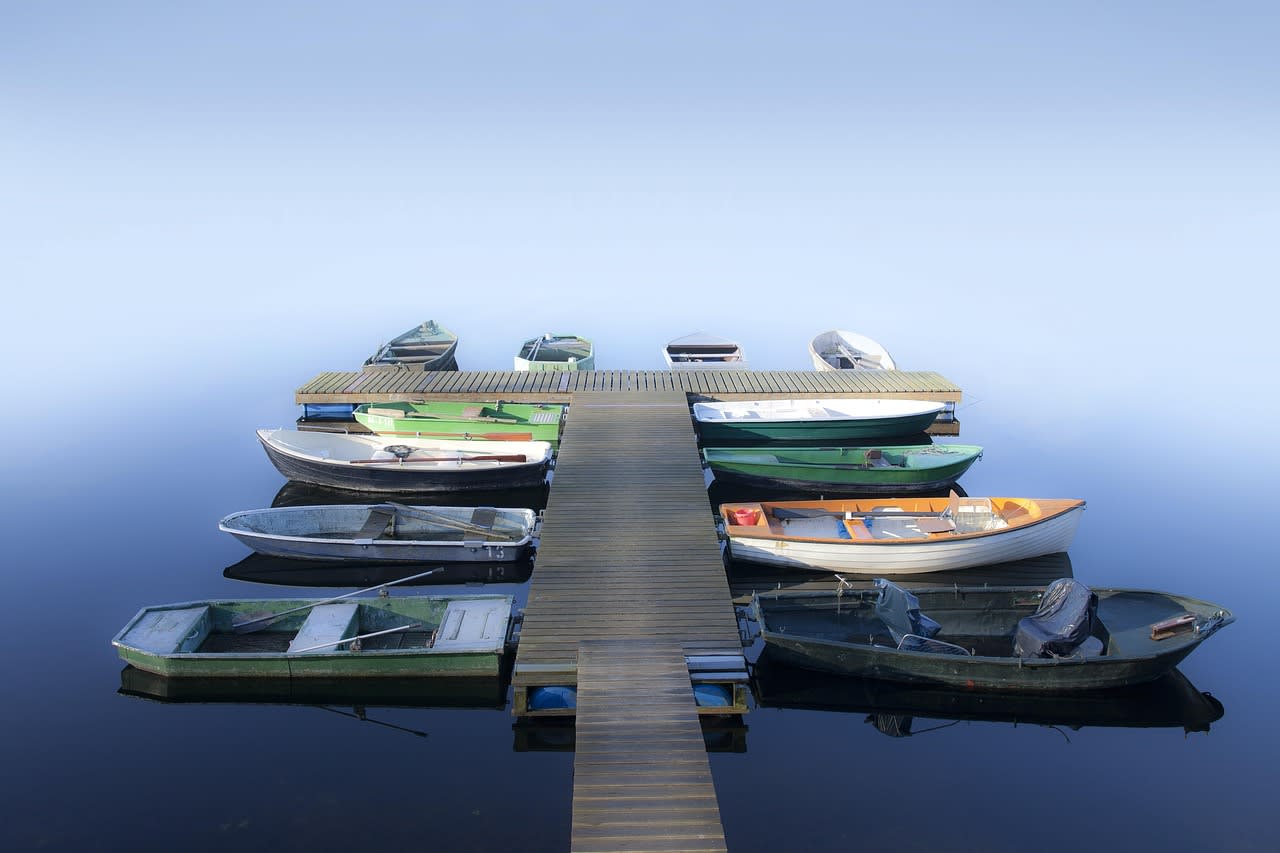
Boats and motors. The anchor add-on for many fishing resorts. Some families arrive without a boat, and some who own one would rather not trailer it four hours.
Pontoons. Popular with multi-generational families and anyone who wants a relaxed day on the water with grandparents and little kids, sometimes even with guests who brought their own fishing boat.
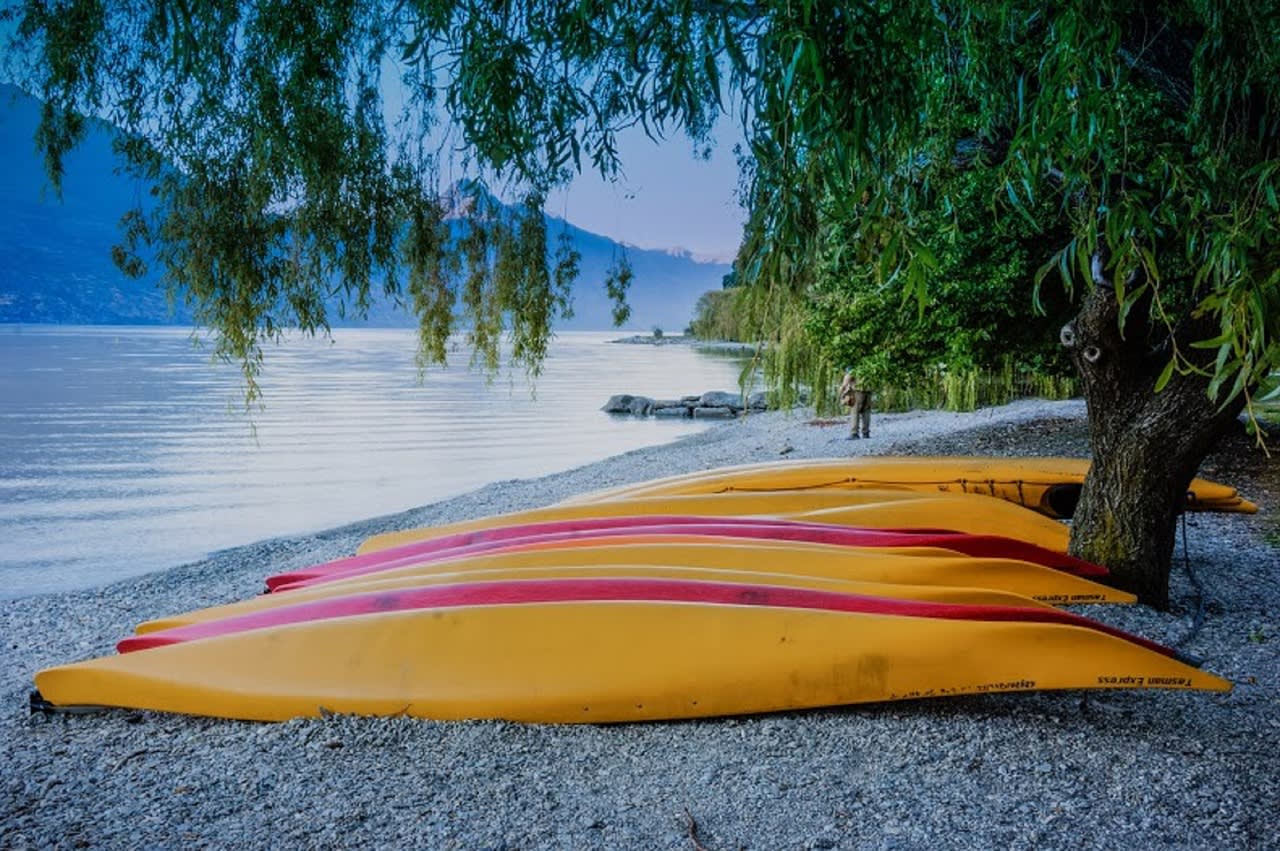
Kayaks, canoes, and paddleboards. Lower cost to buy and maintain, often popular with teens and couples, and easy to offer by the half day.
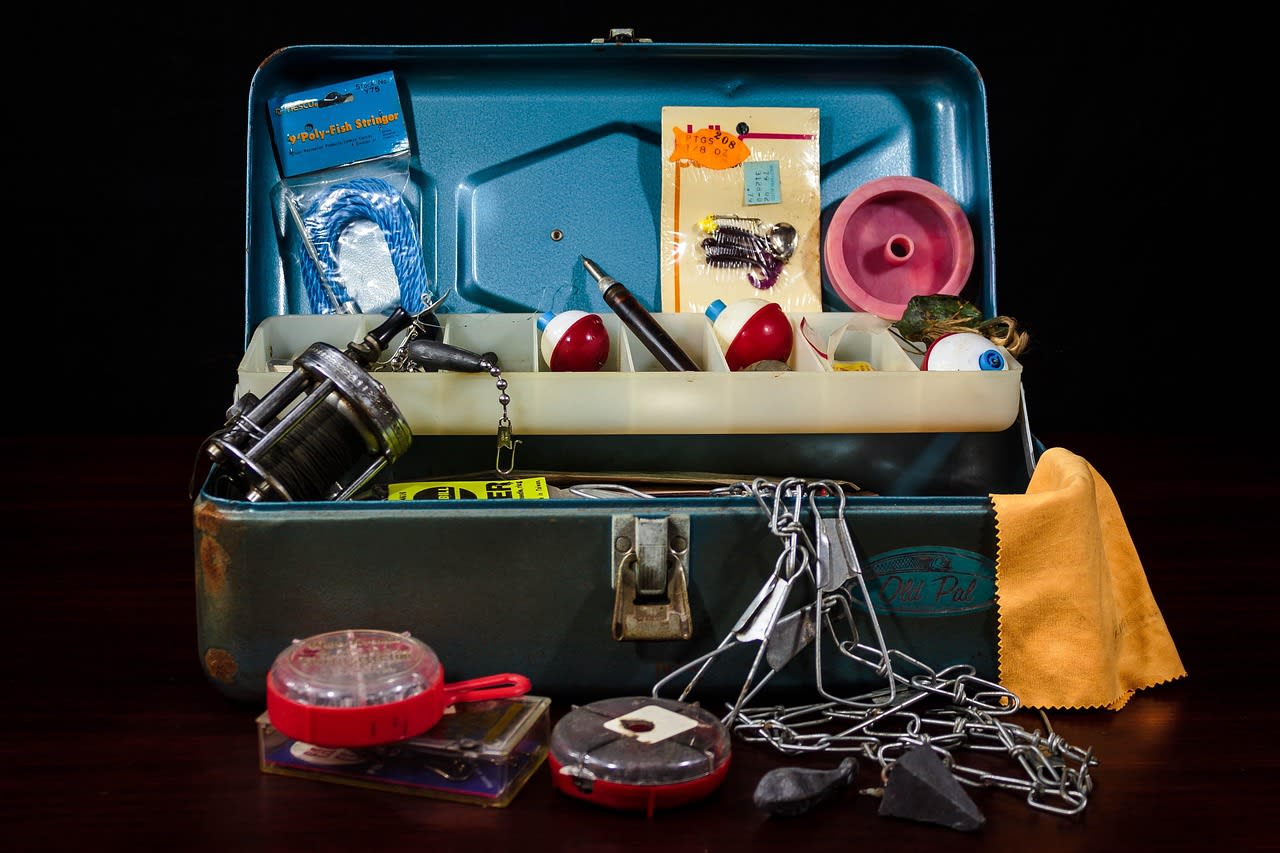
Bait and tackle. Minnows, leeches, crawlers, and the jig colors that are working on your lake this week. If you know what is biting, guests will listen. Check whether your state requires a license to sell live bait before you stock a bait fridge.
Firewood. Campfires are a big part of the cabin experience, and a bundle waiting at the cabin is a real convenience. Buying firewood near where it will be burned can help limit the spread of invasive pests, and some states, parks, and counties restrict moving firewood, so check the rules that apply to your area and your wood source.
Ice, groceries, and essentials. Bags of ice, s’mores supplies, sunscreen, bug spray, charcoal, and the forgotten can opener. A small camp store saves guests a trip to town.
Stay extras. Early check-in, late checkout, an extra night added to a weekly stay, or a pet fee. These are add-ons too, and they are worth pricing deliberately instead of deciding on the fly.
Experiences. A guided fishing morning, a sunset pontoon cruise, or a fish fry night. These take more effort but can set your resort apart.
You do not have to offer all of these. Pick the handful that fit your property, your lake, and the time you actually have.
Pricing Your Add-Ons
There is no single right price, but there is a sensible way to think about it.
Know the local market. Look at what marinas, outfitters, and other resorts nearby charge for similar boats and gear. You do not have to be the cheapest, especially since your guests skip the trailering and the drive, but you should know where you stand.
Know your costs. A boat rental has to cover maintenance, insurance, storage, repairs, eventual replacement, and the time spent cleaning and checking it. Rentals priced only to cover fuel can quietly lose money.
Decide daily, weekly, or both. Many resorts offer a day rate for a single outing and a discounted weekly rate for families who want a boat their whole stay. Weekly rentals can be simpler to manage and, when demand is there, keep a boat booked for longer stretches. Day rentals can earn more per day but take more handling.
Be clear about fuel. Decide whether fuel is included, charged separately, or “return it full,” and say so up front. Fuel surprises at checkout can sour an otherwise great week.
Consider a deposit. Some resorts collect a deposit on boat and pontoon rentals at booking, since a late cancellation can leave a rental sitting at the dock during busy weeks.
Bundle where it makes sense. “Cabin plus boat” packages can simplify the decision for guests. Bundles can also work for firewood, bait, and s’mores kits sold together.
Offer Add-Ons at Booking, Not Only at the Front Desk
When add-ons are only offered on arrival, the family that wanted a boat may have already rented one elsewhere, and three families may ask for the same pontoon on the same Saturday. Offering limited items like boats, pontoons, and guided trips during booking helps:
- Guests can plan around them, for example leaving their own boat at home.
- You see demand ahead of time. If every boat is reserved for the Fourth of July week by March, that tells you something about next year.
- Revenue is easier to forecast, since reserved add-ons are on the books before arrival.
- Fewer disappointments at the dock on arrival day.
Front-desk sales still make sense for bait, ice, firewood, and forgotten essentials.
Track Who Has What, and Run Rentals Carefully
Once you have more than a couple of rental boats, a notebook at the dock works until two families both think they have the pontoon on Tuesday. You want to be able to see, at a glance, which items are reserved for which dates, who has each one now, what has been paid, and what is out of service. If you have several identical boats, grouping them lets online guests choose “fishing boat” instead of picking from four near-identical listings.
Boats and pontoons also carry the most responsibility of any add-on. A few basics to have in place:
- A written rental agreement covering fuel, damage, return times, and lake rules
- A short orientation for every renter on operating the boat, lake hazards, and what to do if something goes wrong
- Properly fitting life jackets for everyone aboard, including kids’ sizes
- Scheduled maintenance and a quick check before and after each rental
- A conversation with your insurance agent about how your coverage applies to rentals, and a check of your state’s boating rules
Write the routine down and do it the same way every time.
Measure What Sells
At the end of each season, look at what your add-ons actually brought in and what they cost to run. Which items rented every week? Which barely moved? Did the pontoon cover its maintenance and insurance? Did firewood sell better at the shop or delivered to the cabin?
Those answers tell you where to invest, and where to stop. Items that rarely rent can be sold before next season. Our end-of-season closing checklist is a good place to build that review into your fall routine.
Add-Ons in CabinKey
CabinKey’s addons let you rent boats, pontoons, kayaks, golf carts, and more alongside cabin stays, charged by the day or by the night, with identical items grouped and every rental tracked. Guests can add them during online booking, you can set separate deposits for cabins and add-ons, and the point of sale records bait, firewood, and camp store sales on the reservation.
If your boats are still tracked on a clipboard at the dock, see how CabinKey booking works.